A herniated disc from a car crash in Las Vegas is one of the most painful and misunderstood injuries people suffer after a collision. These spinal injuries can cause intense pain, nerve problems, and long-term physical limitations. When a crash in Las Vegas is caused by someone else’s negligence, you shouldn’t be left dealing with the lifelong consequences on your own. Understanding how serious a herniated disc can be with a car accident attorney helps you protect your health, your legal rights, and your future.
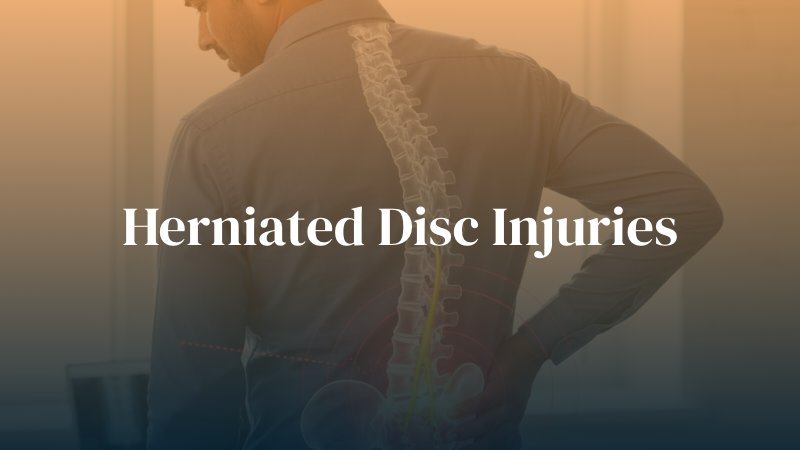
What Is a Herniated Disc?
A herniated disc happens when the soft center inside a spinal disc pushes through the tough outer layer, irritating nearby nerves. This can result in pain, weakness, or numbness anywhere along your spine, most often in the lower back or neck. While some people heal with time and rest, others may face ongoing problems or even need surgery
Common Symptoms of a Herniated Disc
Herniated disc symptoms can range from mild discomfort to severe limitation. Here are some typical signs to look out for:
- Sharp or burning pain in the back, butt, arms, or legs
- Tingling or numbness radiating down an arm or leg
- Muscle weakness, making it hard to lift things or move normally
- Pain that gets worse with sitting, bending, or coughing
- Trouble standing upright, walking, or completing normal activities
If you’ve experienced any of these herniated disc symptoms after a Las Vegas car crash, get evaluated by a doctor as soon as possible to prevent long-term problems.
How a Herniated Disc Happens in a Car Accident
A car accident generates strong forces that your body isn’t meant to handle. Impact and sudden movements can easily damage the soft cushion-like discs in your spine in several ways:
Sudden Impact to the Spine
Seat belts save lives but don’t stop your body from moving around sharply during a wreck. When your upper and lower body jerk in different directions, it places intense stress on your spine, causing a disc to become squeezed or rupture.
Whiplash and Violent Twisting
The jolt from whiplash or any forceful twisting can lead the bones and disks of your neck or lower back to overstretch or go out of place. This often causes disc material to press against sensitive nerves in or near your spine.
Seatbelt and Airbag Forces
While safety features are crucial, the restraining action itself sometimes places unpredictable pressure on your back or neck. Even seemingly minor Las Vegas accidents result in a herniated disc, sometimes without pain starting right away. If you’ve had a car accident and these symptoms develop, take the situation seriously and speak with a doctor as soon as possible.
Evidence That Strengthens a Disc Injury Claim
Proving the seriousness of a herniated disc after a Las Vegas car accident requires strong evidence. Insurers look for gaps in care or overly vague complaints, so it’s important to back up your claim with detailed records. Here’s what can make your case stronger:
ER and Urgent Care Records and Consistent Follow-Up
Medical records from the day of the crash and regular ongoing appointments show your back pain began with the accident and continued. Consistent follow-up shows that you were in enough pain to continue seeing your doctor and engaging in treatment. Gaps in care can make it look like the injury healed or wasn’t that serious.
MRI Reports
MRIs and other diagnostic scans that show herniated discs right after the accident can help prove your case.
Specialist Notes
Reports from orthopedic doctors, spine specialists, physical medicine and rehab, neurologists, or pain management professionals can detail your diagnosis and treatment efforts.
Physical or Occupational Therapy Records and Work Restrictions
Progress reports from physical or occupational therapy show what you can (and can’t) do day-to-day. This can include your work restrictions and other hobbies you’re prevented from participating in because of your injury.
Medication Lists and Record of Injections
Lists showing prescribed medications, as well as details on treatments like epidural steroid injections or nerve blocks (and how you responded to them), document how serious the injury is and what you’ve done to try to control your pain and heal your injury.
Proof of Lost Wages
Pay stubs showing lost wages and letters from employers noting attendance problems or reduced duties can show how much this injury has affected your ability to earn a living. With this type of evidence, you give yourself a good chance of proving that your injuries occurred from the accident and how serious they are.

Don’t Wait to Start Your Claim
The sooner you contact our Las Vegas injury attorneys, the stronger your case becomes. We’ll handle the insurance companies and paperwork while you focus on recovery.
What To Do to Strengthen Your Case
Besides collecting medical evidence, there are other important steps you can take to strengthen your herniated disc case after a car accident.
Follow All Doctor Orders and Keep Medical Appointments
Make sure to attend every follow-up visit, take medications as prescribed, and follow directions from therapists and specialists. Gaps or missed appointments can give insurance companies a reason to question your claim.
Start a Daily Pain and Activity Journal
Every day, take a few moments to note your pain level and write about any difficulties you have with work, chores, sleep, or activities you used to enjoy. Over time, this journal helps document day-to-day struggles that medical records won’t show.
Don’t Give Recorded Statements or Sign Broad Medical Releases Without a Lawyer
Never provide a recorded statement to the insurance adjuster – even your own – before you speak with a lawyer. Also, don’t agree to give them access to all your private medical history. Statements or blanket authorizations can easily be used against you later.
Consult a Personal Injury Lawyer Early
Making contact with a lawyer right away helps you organize your care and evidence while keeping your rights protected. Early advice can stop costly mistakes and relieve the stress of dealing with insurance companies on your own. Taking these extra steps will give your disc injury claim the strongest foundation possible. Contact us if you’d like experienced guidance and schedule your free consultation. Our team can help you gather evidence and fight for the compensation you truly deserve for herniated disc injuries from car crashes in Las Vegas.































 N/a
N/a